
Your starting point: Assign arrival, main darshan and extension themes to the three days. Confirm the number of room nights and luggage arrangements.
Give each day a different purpose
A useful three-day plan has three themes: arrival and orientation, the main pilgrimage experience, and a flexible day for heritage or unfinished priorities. This reduces repeated cross-city journeys and makes it easier to explain the plan to everyone travelling. Decide which visit matters most before choosing the optional attractions.
Count the nights as well as the days. A three-day trip often requires two nights, but an early arrival or a late departure can create additional room or luggage needs. Ask about those arrangements separately instead of assuming that the calendar dates automatically cover every hour.
Day one: learn the area and settle into the pace
After arrival, give the group time for a meal, freshening up and checking tomorrow’s plan. Use the first afternoon for a modest outing around the area that best suits your hotel and current energy. Kanak Bhawan or a riverfront visit may be considered, but the choice should follow access and walking conditions on the day.
Spend a few minutes identifying a practical pickup point and saving the hotel’s map link. Agree where the group will meet if somebody steps away. These small decisions make the next two days easier and are often more useful than fitting in an additional attraction immediately after a long journey.
Day two: the main temple day
Set aside the largest uninterrupted block for your principal darshan visit. Check current official guidance before departure and avoid carrying extra luggage. If Hanuman Garhi is also planned, consider the steps and the fitness of the group before deciding the sequence. There is no need to give every traveller an identical schedule.
Return for a meaningful rest break after the main outing. The evening can then remain optional: a short walk, a meal together or a terrace pause at the hotel. Keeping a lighter evening also preserves energy for day three, especially if the first two days involved lengthy travel or standing.
Day three: choose a heritage or riverfront extension
Use the final day for a place that adds something different. Guptar Ghat can be considered as a separate riverfront outing; Tulsi Smarak Bhawan may interest travellers who want a cultural stop. Confirm current access and any programme information before making a special trip.
Alternatively, return to a place you enjoyed and spend more time there. A repeat visit with a calmer pace can be more rewarding than another name on a checklist. Keep the outing short enough to collect luggage, eat and reach the departure point with an appropriate buffer.
Plan rest and meals as part of the itinerary
Three days involve repeated decisions about water, meals, walking and rest. Put a meal break between major outings and avoid relying on an unknown venue at the moment everyone becomes tired. Ask about dietary requirements ahead of time, especially if somebody needs simple food at predictable times.
Room access matters too. If a family member prefers to rest while others explore, confirm the room arrangement and key access together. For the last day, ask whether luggage can be stored after checkout and whether a late room extension is available at an additional charge. These are requests, not automatic inclusions.
Keep an alternative for each optional block
Weather or crowds can change an outdoor afternoon into a rest period. List one shorter alternative for each optional outing: a nearby stop, a meal, indoor time where available or returning to the hotel. Avoid replacing a cancelled activity with an even more complicated journey.
Share the plan in a simple message containing the day’s purpose, likely meeting place and departure deadline. A flexible three-day itinerary gives the group confidence without making every minute a commitment. Review the next day each evening using the latest local information.
Your practical checklist
- Assign arrival, main darshan and extension themes to the three days.
- Confirm the number of room nights and luggage arrangements.
- Choose one optional heritage or riverfront extension.
- Reserve time for the last-day departure transfer.
Stay in Naya Ghat while you put this plan into practice
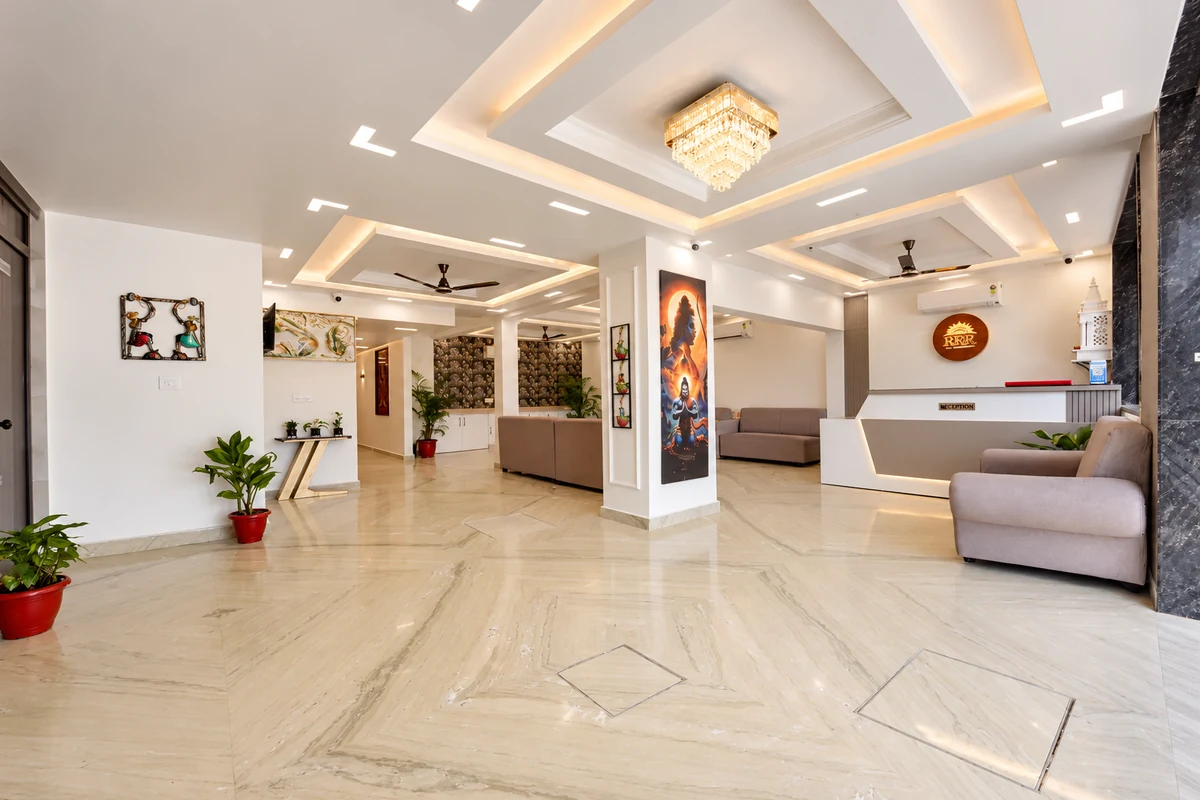
Hotel RRR is on Naya Ghat Road, Ayodhya, Uttar Pradesh 224100. Use the room photographs and categories to choose your sleeping arrangement, and the hotel location to plan your arrival.
For the next step, use this guide’s checklist alongside your actual travel dates. The Hotel RRR benefits page explains the terrace outlook and listed facilities in one place.
Ask about the arrangements your trip needs
Send the hotel your dates, room count and guest details, with any requirement identified while reading this guide. Call +91-85888-51000 or prepare a booking enquiry. Ask for the complete price and applicable terms before confirming.
Check current visitor information
For destination information and current planning guidance, consult Uttar Pradesh State Tourism’s Ayodhya guide and the Ayodhya district website. Verify temple entry instructions and any specific ceremony arrangements through the relevant official channels before travelling. The suggested schedules here are flexible planning examples, not reserved services.